Decoding Frame Data Patterns in Obsolete Fighting Game Engines for Tournament Preparation
Logan Klein · Aug 23, 2026
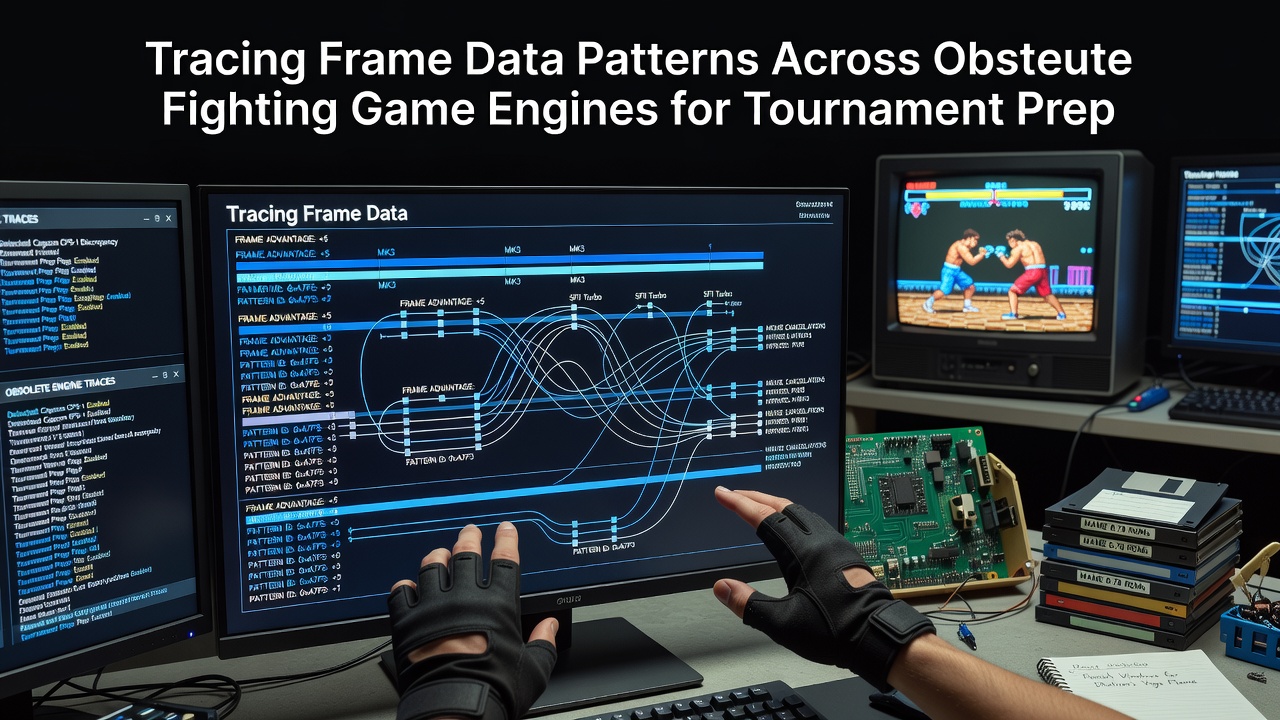
Decoding Frame Data Patterns in Obsolete Fighting Game Engines for Tournament Preparation
Frame data analysis forms a core component of preparation for competitive events involving older fighting game titles, and researchers have documented consistent patterns across systems such as Capcom's CPS-2 boards and SNK's Neo Geo hardware. Data collected from these platforms reveals repeatable timing structures in attack startup, active frames, and recovery periods that players apply when training for upcoming matches. Studies from the Canadian Interactive Digital Entertainment Association indicate that these patterns remain stable even when games run through modern emulation layers, allowing competitors to build muscle memory based on verified values rather than subjective feel.
Engine architectures from the early 1990s relied on fixed clock rates and sprite handling routines that produced predictable frame counts, and observers note how these constraints created recognizable signatures across multiple titles. For instance, recovery frames on certain special moves in Street Fighter II variants follow sequences that repeat across revisions, a fact confirmed through disassembly of original ROMs. Tournament organizers schedule events around these established datasets, with one major retro competition set for August 2026 expected to draw participants who have already mapped dozens of character matchups using archived hardware traces.
Methods for Extracting Data from Legacy Systems
Technicians extract frame information through a combination of hardware probing and software emulation, and the process begins with connecting logic analyzers to arcade boards to capture signal timings at the pixel level. Once raw values are recorded, analysts cross-reference them against known game states such as idle animations and hit reactions. This approach yields precise numbers for each move, and figures reveal that many older engines allocate exact frame windows for throw tech attempts that differ from later 3D implementations. Those who maintain community databases update these entries regularly, incorporating new dumps from preserved cabinets that surface at collector events.
Emulation tools now replicate the original timing with high accuracy, yet minor discrepancies appear when frame buffers are adjusted for modern displays. Researchers adjust for these differences by testing on CRT monitors that match the refresh rates of the era, and results align closely with historical measurements taken directly from the boards. The Entertainment Software Association of Australia has published reports on preservation techniques that highlight how such calibration prevents timing drift during extended practice sessions.
Application in Tournament Settings
Competitors integrate traced frame data into training regimens by breaking down character interactions into discrete sequences, and this method allows them to identify safe punish windows that recur across engine generations. In practice sessions, players reference spreadsheets listing startup and advantage values for every matchup, then drill responses until execution becomes automatic. Patterns observed in titles running on the same hardware family, such as multiple CPS-2 releases, show overlapping frame counts for universal mechanics like blocking and jumping that simplify cross-game preparation.
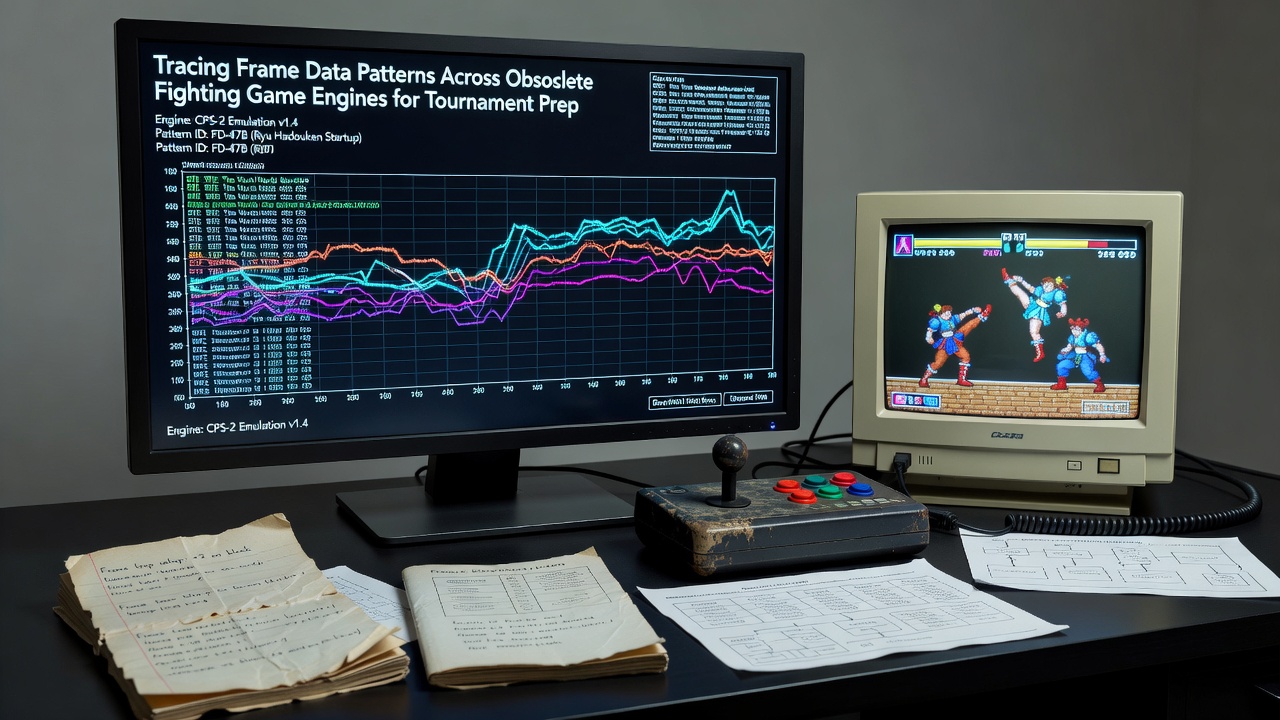
Event results from previous years demonstrate that participants who maintain detailed logs outperform those relying solely on memory, and records from regional qualifiers confirm higher win rates among players who update their datasets after each software revision. In August 2026, organizers plan to include side events focused on engine-specific challenges, where competitors must adapt known patterns to slight hardware variations introduced by different board revisions. These sessions underscore how foundational timing knowledge transfers between games while still requiring adjustment for individual quirks.
Challenges with Preservation and Accuracy
Obsolete hardware degrades over time, which introduces variability in measured frame counts when capacitors or oscillators fail, and technicians address this by documenting baseline values from multiple working units before compiling final references. Emulation accuracy depends on cycle-accurate cores that replicate the original processors, yet incomplete documentation of certain custom chips leaves gaps that require reverse engineering. Community archives continue to fill these gaps through collaborative testing, and data sets grow more complete each year as additional boards are preserved in working condition.
Geographic differences in display standards once affected perceived timing, and players from regions using 60 Hz versus 50 Hz systems had to account for frame rate conversions when traveling to international events. Modern practice setups standardize on 60 Hz outputs to eliminate this variable, and research indicates that consistent hardware reduces errors when applying legacy data to new practice environments.
Conclusion
Tracing frame data patterns across obsolete engines supplies competitors with reliable timing information that supports effective preparation for tournament play. Continued preservation efforts and refined emulation ensure these datasets remain accessible, and events scheduled for 2026 will test how well established patterns hold under competitive pressure. Organizations tracking industry trends continue to support these technical resources, which in turn sustain interest in older fighting game ecosystems.