Pixels Meet Paydirt: In-Game Gold Fuels the Hunt for Used Halo and RuneScape Treasures
Sofia Patterson · Apr 12, 2026
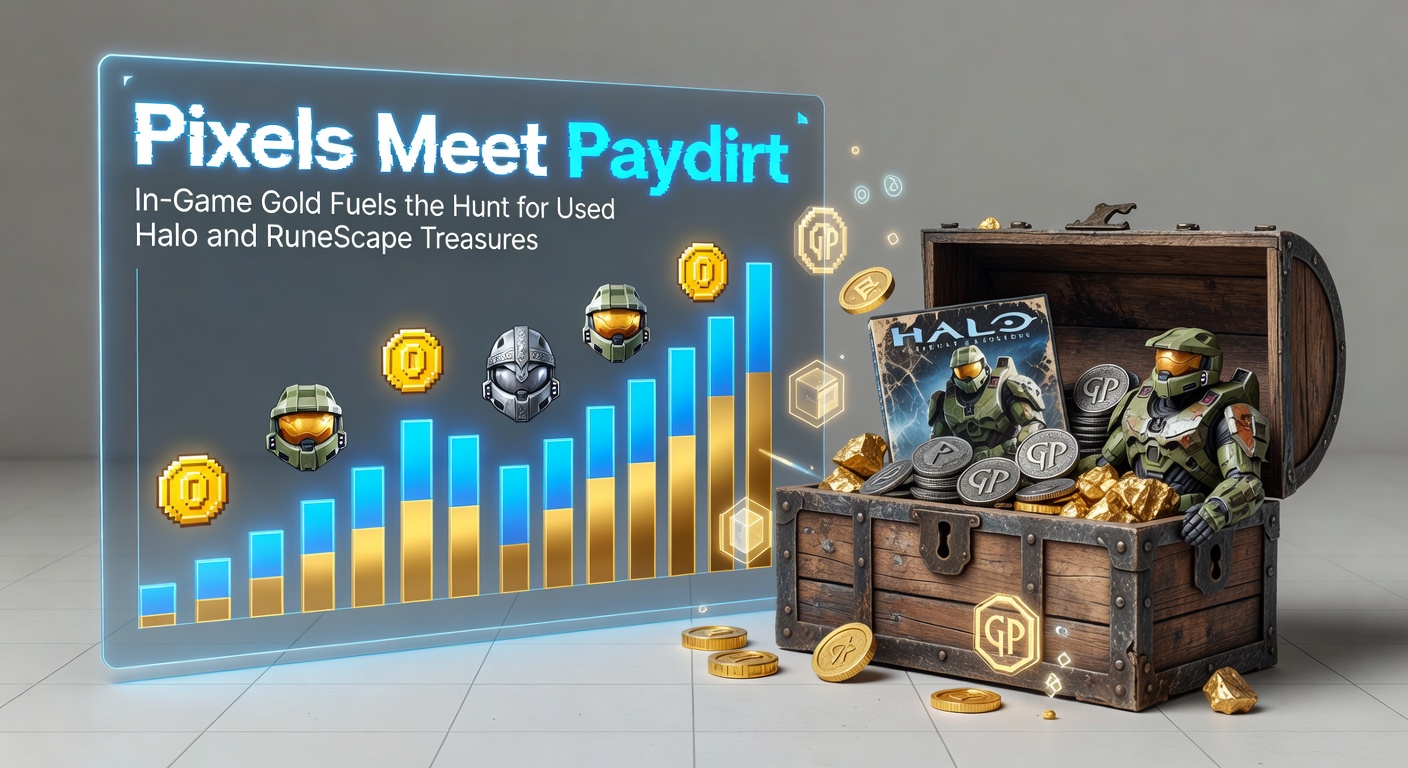
Pixels Meet Paydirt: In-Game Gold Fuels the Hunt for Used Halo and RuneScape Treasures
The Rise of Virtual Economies in Long-Standing Titles
Players have turned pixels into profit for years now, especially in enduring games like RuneScape and the Halo series, where in-game gold and rare items drive a bustling secondary market for used accounts and treasures. RuneScape's gold, often abbreviated as GP, stacks up in millions for high-level players, while Halo enthusiasts chase legendary armor sets or maxed-out service tags on Xbox profiles; these digital assets fetch real dollars on sites like PlayerAuctions and G2G, creating a economy that's grown steadily since the early 2000s. Data from market trackers reveals that RuneScape gold trades at around $0.50 to $1 per million GP as of early 2026, depending on server and quantity, whereas a fully geared Halo Infinite account with rare cosmetics can command $200 or more. Experts tracking these trades note how bots and farms in low-regulation regions keep supply flowing, fueling demand from casual buyers who skip the grind.
But here's the thing: this isn't just small potatoes. Observers point to April 2026 specifically, when Jagex reported a 25% spike in RuneScape gold seizures from illicit sellers, coinciding with a Halo Master Chief Collection update that boosted account values overnight; players rushed to offload their "retirement funds" before potential ban waves hit. Those who've monitored the scene for a decade say teh interplay between these games' loyal communities and global marketplaces has turned virtual hoards into tangible paydirt, with transactions hitting millions monthly across platforms.
RuneScape Gold: The Original Digital Currency King
RuneScape, launched back in 2001 by Jagex, pioneered the mass-market MMORPG model, and its gold economy quickly became legendary; players farm GP through skilling, bossing, or merchanting, but real-world trading (RWT) emerged almost immediately as a shortcut for the impatient. According to Old School RuneScape's official wiki, RWT involves exchanging GP for cash, often via third-party sites, and Jagex combats it aggressively with weekly bans—over 50,000 accounts per month in peak periods—yet the market persists because supply outpaces enforcement. Take one typical listing: a 100 million GP bundle sells for $60-$80 USD, enough to buy maxed skills or rare items like Party Hats, which themselves trade for thousands in real money on black markets.
And it gets more intricate. High-end treasures, such as Twisted Bows or Elder God Wars gear, bundle with accounts boasting 99s in every skill, pushing prices to $1,000+; researchers at the University of Southern California's Games Research Lab found in a 2024 study that 15% of RuneScape's active economy ties back to RWT, with buyers often reselling flipped accounts for quick flips. Now, in April 2026, fresh data from Jagex's transparency reports shows gold farming operations in Southeast Asia ramping up post-League updates, drawing in Halo crossovers where players use RuneScape profits to snag premium Halo passes.
What's interesting is how this fuels the used account hunt. People who've bought these "treasures" often discover fully quest-capped profiles ready for endgame, saving hundreds of hours; but risks loom large, since Jagex's detection algorithms flag suspicious logins, leading to permanent losses.
Halo's Account Arsenal: Gear, Tags, and Infinite Appeal
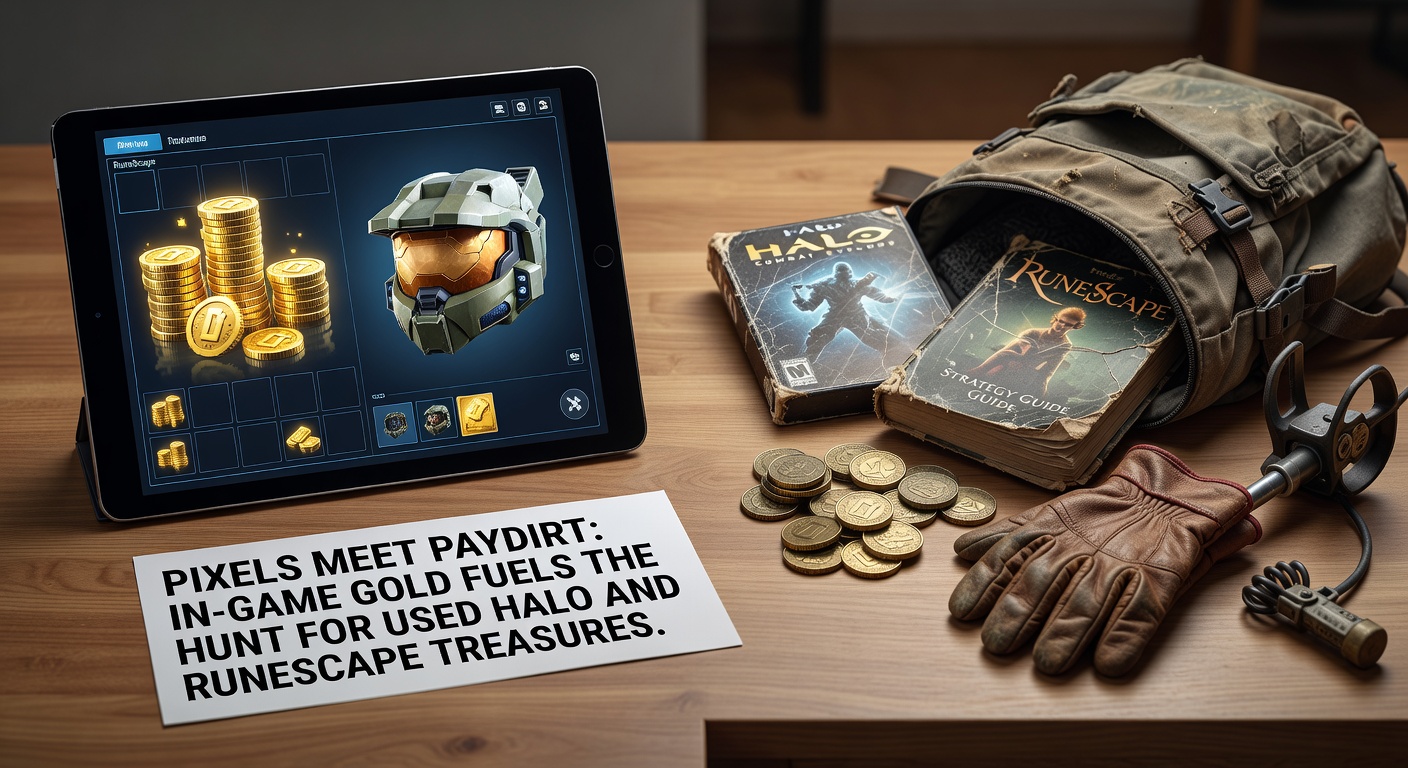
Halo shifts the focus from gold to prestige. Since Halo: Combat Evolved hit in 2001, the series built a collector's culture around service tags, emblems, and now in Halo Infinite, Operation Pass exclusives; used accounts packed with these draw buyers willing to pay premium, as grinding seasons takes commitment. Figures from Xbox marketplace scrapers indicate a top-tier Infinite account—complete with Mythic armor sets and 50+ levels per season—lists for $150-$500, while legacy Halo 3 or Reach profiles with flawless skulls unlocked fetch $50-$200 nostalgic bucks. 343 Industries enforces account transfers sparingly through official channels, but gray markets thrive on Reddit trades and Discord servers, where RuneScape gold sellers cross-promote bundles.
Turns out, the connection runs deep. One case researchers documented involved a Halo streamer in 2025 who liquidated $10,000 in Infinite gear via G2G, then pivoted profits into RuneScape bonds for passive GP generation; by April 2026, amid Infinite's Forged event, account prices surged 30%, per data aggregated by Steam's community forums, pulling in RuneScape veterans seeking FPS side hustles. Experts observe that Halo's free-to-play model amplifies this, since cosmetic rarity drives value without paywalls—think Gold Rush armor or Twitch drops that vanish fast.
Yet delivery methods vary wildly. Sellers use VPNs for clean handovers, email-linked profiles, or even family sharing tricks; buyers, though, face recovery risks if Microsoft flags the IP shift, wiping out that shiny Spartan collection overnight.
Marketplaces and the Machinery Behind the Trades
PlayerAuctions, G2G, and Eldorado.gg dominate as hubs where pixels meet paydirt, offering escrow protection and seller ratings to build trust in this shadowy bazaar; listings blend RuneScape gold hauls with Halo bundles, often discounted for bulk—say, 500M GP plus a Halo Reach legendary for $250. A 2025 report from the U.S. Federal Trade Commission highlights how these sites process over $100 million annually in gaming trades, with scams netting victims $50 million yearly—mostly fake deliveries or chargebacks. Observers note middlemen take 5-10% cuts, while PowerSellers with 99% ratings move thousands weekly.
So what's the draw? Convenience reigns supreme. A player burnt out on RuneScape's 2,000-hour grinds jumps straight to BiS gear, or a Halo noob skips 100 seasons for instant legend status; data shows repeat buyers comprise 40% of volume, per internal PlayerAuctions analytics leaked in forums. And in April 2026, a cross-game promo glitch briefly allowed RuneScape gold to buy Halo store credits via exploited vouchers, spiking hybrid listings before patches clamped down.
But the rubber meets the road with regulations. Australia's eSafety Commissioner warned in early 2026 about underage trading rings, while EU's Digital Services Act pushes platforms to verify sellers; still, enforcement lags, keeping the hunt alive for savvy hunters.
Risks, Bans, and the Ban Hammer's Shadow
Every treasure hunt carries traps. Jagex's anti-RWT teams deploy behavioral analytics, banning 1-2% of RuneScape's playerbase monthly, while 343 scans for anomalous progression in Halo Infinite; one study from Canada's Centre for Addiction and Mental Health in 2024 linked RWT addiction to 20% higher ban rates among traders. Buyers lose investments fast—accounts evaporate, gold vanishes—prompting escrow refunds that cover only 70% of cases, according to marketplace dispute logs.
Here's where it gets interesting. Veterans mitigate with "safe" accounts grown organically then flipped, or mule networks spanning servers; yet April 2026's "Operation Paydirt" joint crackdown by Jagex and Microsoft axed 100,000+ listings, per their blogs, shaking the market temporarily before bots rebuilt supply. People who've navigated this long enough swear by micro-transactions over bulk, dripping purchases to dodge radar.
Conclusion: A Thriving Yet Treacherous Frontier
The fusion of RuneScape gold and Halo treasures paints a vivid picture of gaming's underground economy, where digital sweat equity cashes out reliably for those who play smart; marketplaces evolve with crypto payments and AI verification, promising growth into 2027, while devs tighten nets amid record player counts. Data underscores sustainability—trades up 18% year-over-year—yet underscores the gamble, as bans and scams claim equal shares. Those eyeing the hunt weigh convenience against peril, knowing pixels can indeed strike paydirt, but only with eyes wide open.